Hermann J. Wiemer and Standing Stone
Harvest Report 2026
If this vintage taught us anything, it’s that flexibility and patience are paramount, and above all, that a little optimism goes a long way in the Finger Lakes. The 2026 growing season started with a challenging spring, followed by a very wet July, and finished with an October that had us all smiling.
Spring
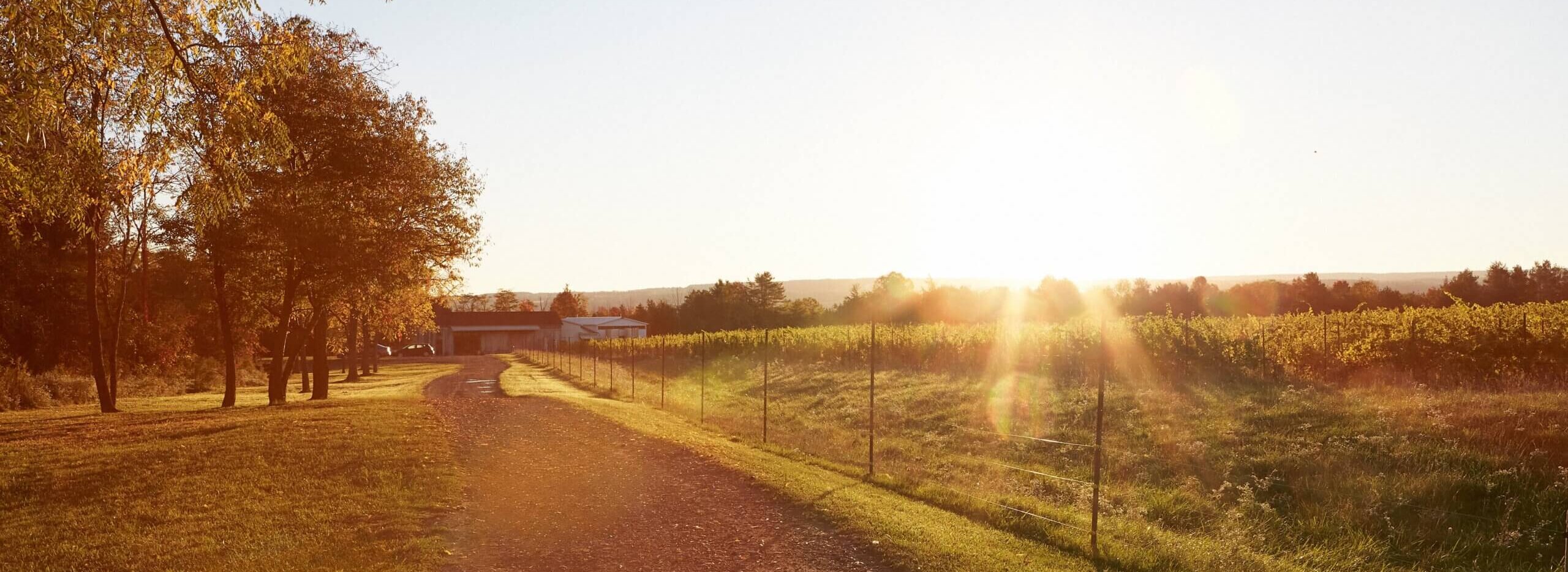
The 2025 harvest ended in a drought, leaving the vines stressed. In March, we adjusted our pruning and vine-tying techniques, as we were cautious about potential bud loss due to the previous year’s drought. Spring came with budbreak on April 16 in our HJW Vineyard Chardonnay and Standing Stone Petite Arvine blocks. With warmer temperatures and low rainfall in early April, we hoped we’d escaped a late spring freeze.
The first major challenge of the year came overnight on April 20th. Temperatures were down to 10 degrees below freezing across many of our vineyard sites. For our vineyard team, it was all hands on deck as they deployed wind machines and kept hay bale fires burning to circulate warm air and protect the fragile emerging buds. Despite our diligence, the freeze reached some of our cooler sites and in addition to the lingering effects of the previous year’s drought, the extent of the bud damage became clear. Fewer buds meant fewer clusters, and before the growing season had truly begun, we knew yields would be lighter. Spring served as a humbling reminder that vine health extends well beyond a single growing season, with the previous year’s effects still evident 18 months later.
July
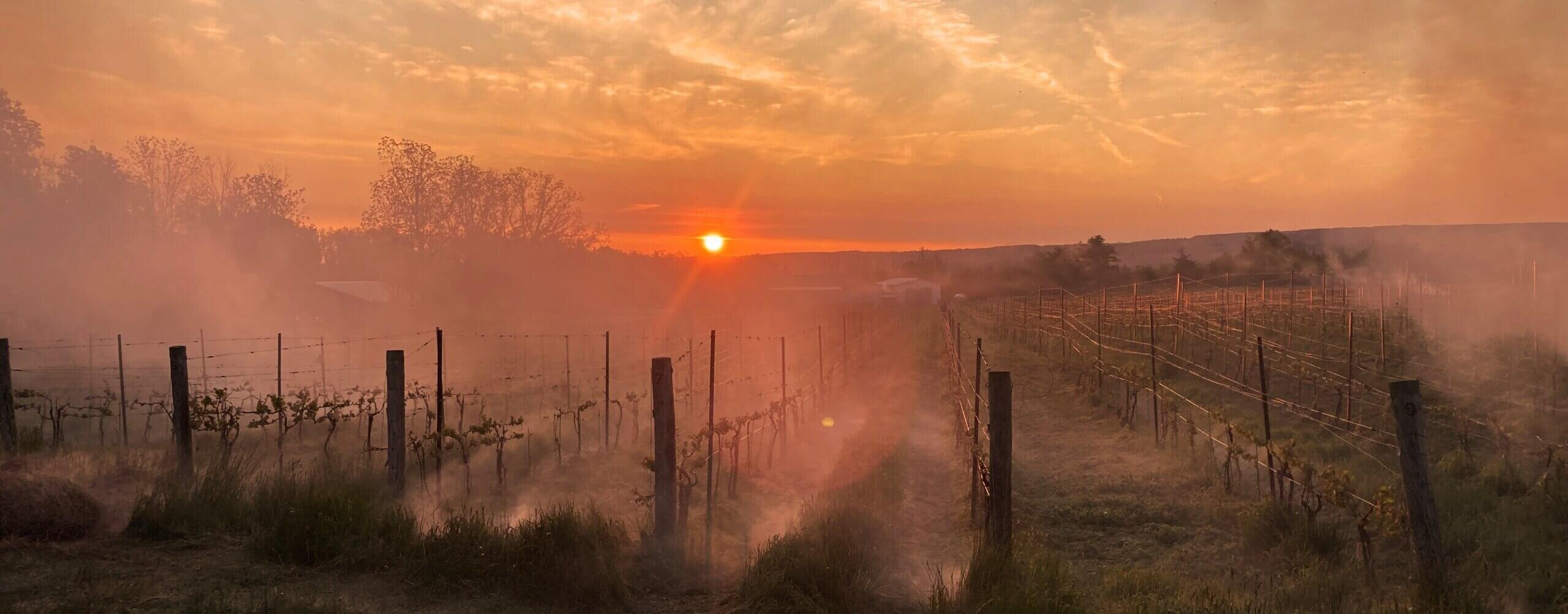
After spring tested our nerves, July tested our patience. Instead of the warm, sunny days we’d anticipated, we were met with rain, and plenty of it. Prolonged moisture increased mildew pressure, keeping our vineyard team busy improving airflow and drying out the canopy. We once again utilized wind machines while also spraying air between rows, in order to encourage drying. Weed and cover crop management became a priority as an additional way to prevent moisture from lingering. This was a striking contrast to the almost nonexistent rainfall we’d experienced during the same period in 2025.
August
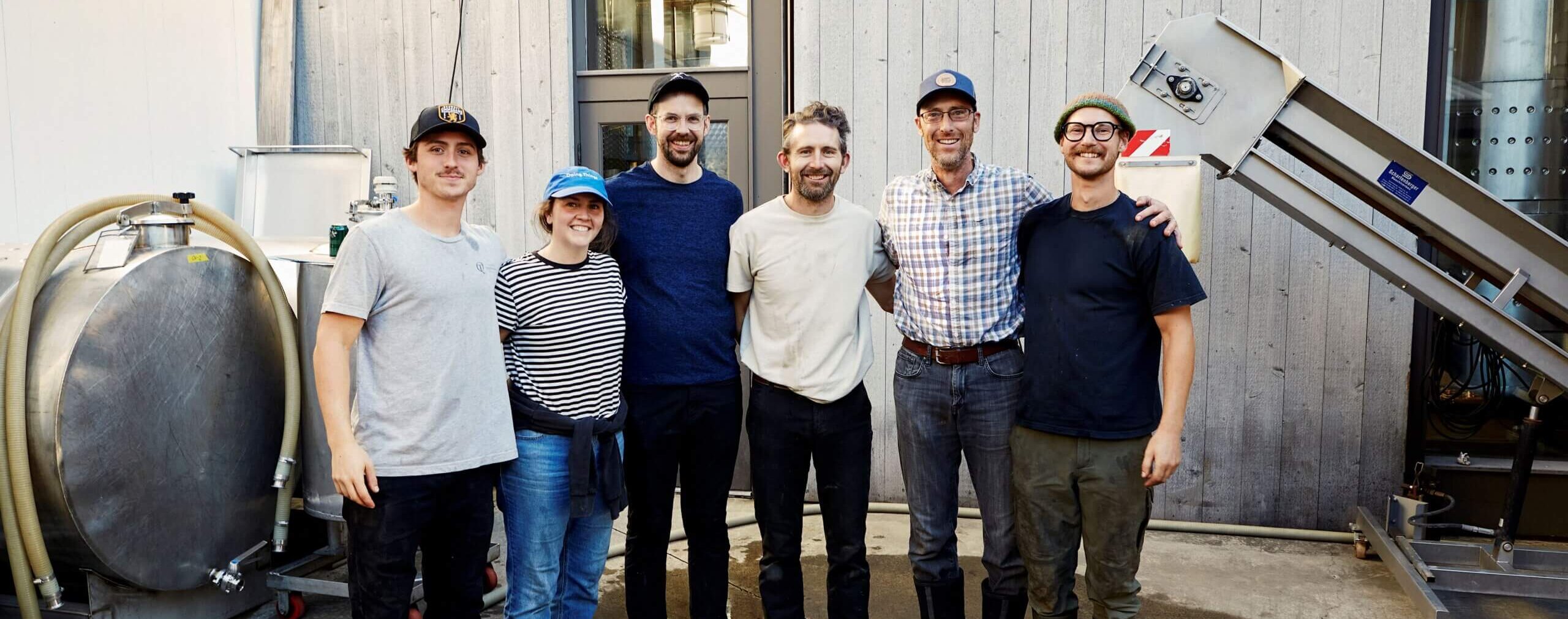
By early August, the first signs of véraison in varieties like Pinot Noir signaled that harvest was approaching. Our team of interns also began arriving from near and far, bringing the experience, enthusiasm, and hard work that would carry us through an eight-week harvest.
A huge thank you to Calvin Sandler from Cooperstown, Harrison Lynch from Pittsburgh, Daniel Moorin from Providence, Fynn La Breche from Germany, and Alec O’Connor from Rochester. We already miss your energy and passion for Spätlese!
September
Harvest began with Pinot Noir from both sides of Seneca Lake, followed by Chardonnay from HJW Vineyard. A few unwelcome days of rain in early September called for some strategic picking decisions, as we brought in additional Chardonnay and Pinot Noir for sparkling wines and rosé rather than leaving the fruit on the vine longer for still wines.
By the third week of September, we were harvesting Riesling from HJW’s original 1977 plantings, along with Gewürztraminer and white varieties from Julia Vineyard. Fortunately, rainfall became increasingly scarce as we headed into what would become one of our best October harvests in recent memory.
October
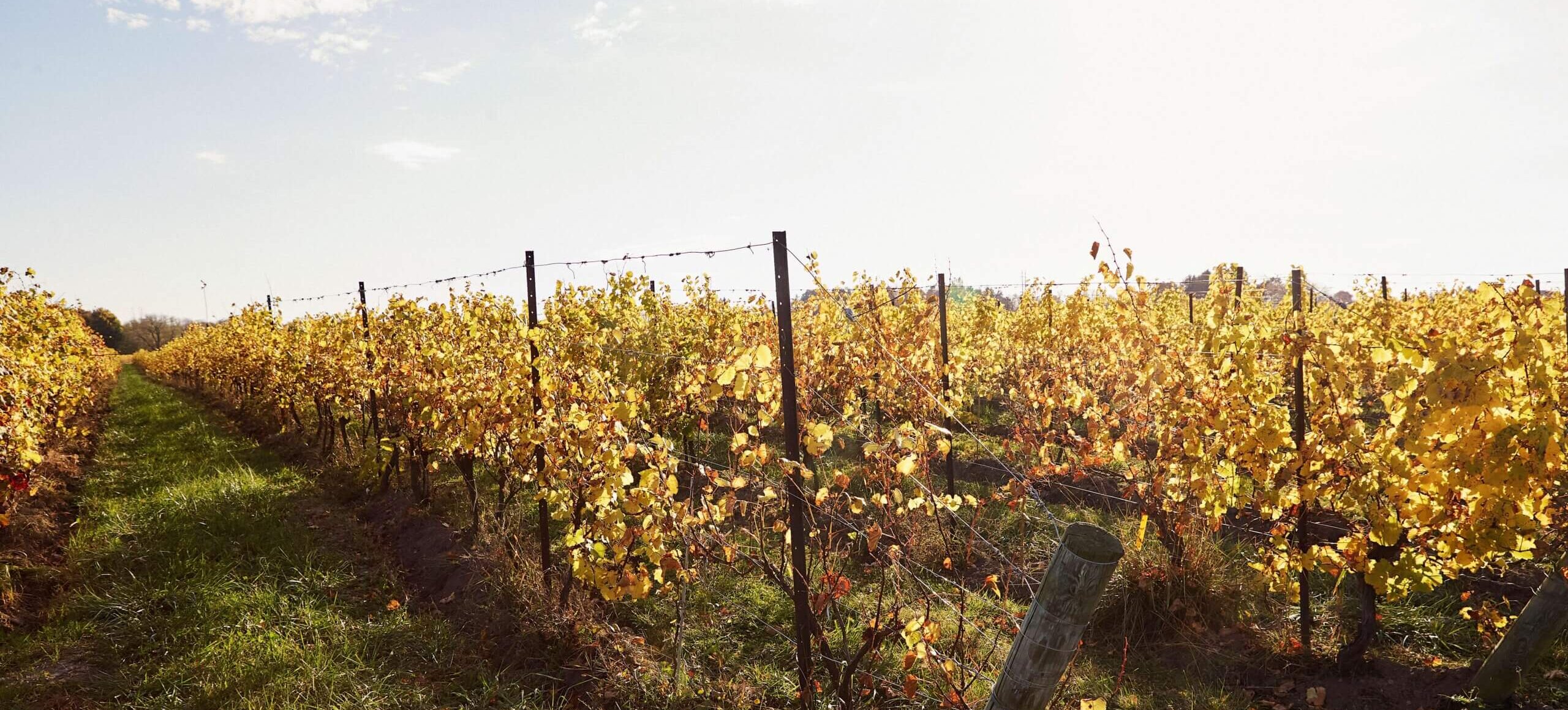
October delivered an ideal combination of warm, sunny days and crisp, cool nights, keeping disease pressure low and sorting to a minimum. These ideal conditions allowed fruit for Single Vineyard and Reserve Rieslings to remain on the vine until flavors and ripeness reached their peak, particularly at Josef Vineyard. Meanwhile, Cabernet Franc, Saperavi, and Blaufränkisch benefited from the late-season sunshine, reaching some of the vintage’s highest sugar levels.
November
Our final pick came on November 2, when we harvested botrytized Riesling from Josef Vineyard. The fruit then required more than 150 person-hours of meticulous hand-sorting for a Trockenbeerenauslese-level Noble Select bottling.
After a challenging start, the 2026 growing season rewarded us with a beautiful harvest. Yields may be smaller, but this vintage certainly isn’t short on quality. The wines show plenty of fruit-forward character, but are especially balanced thanks to strong structural acidity. So far, the developing flavors in the cellar are reminiscent of 2008 and 2014, and, combined with firm acidity, point to an especially age-worthy vintage.
As we close out the season, we’re especially grateful for the work of our entire team. From our production team’s ability to adapt and our vineyard team’s diligence in protecting and improving vine health, to our retail team’s continued warm hospitality throughout one of our busiest years on record, everyone played a part in making this season a success.